TOKYO
Roppongi
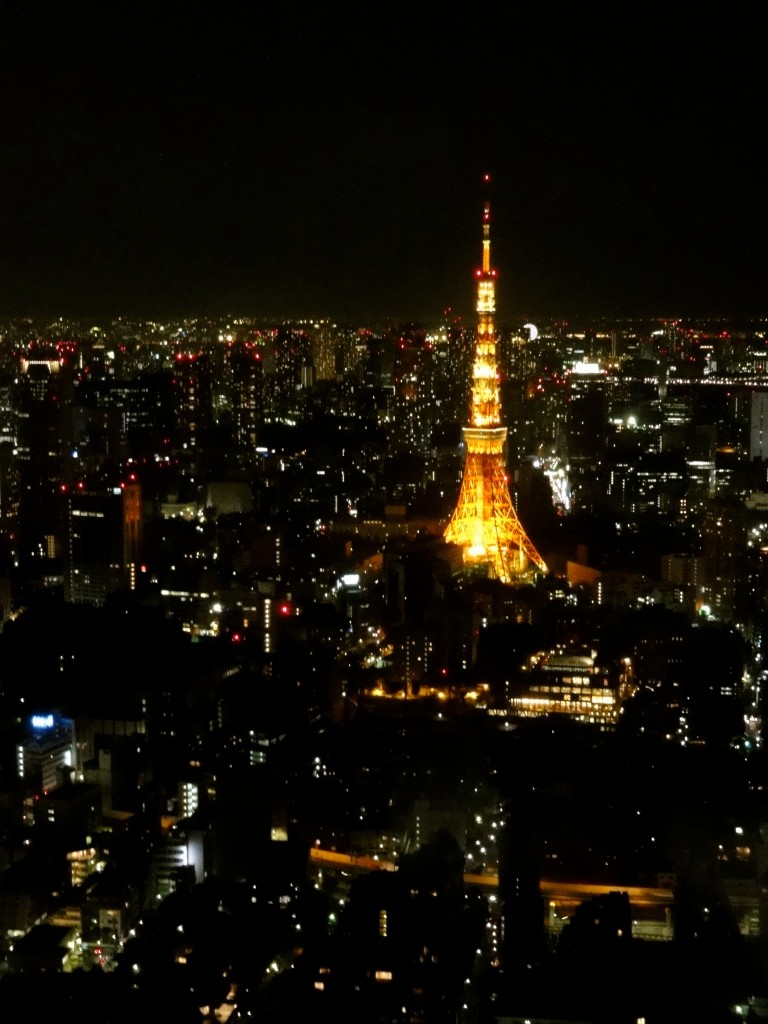
Roppongi, a district in central Tokyo, is famous for its resident’s luxurious life style and its nightlife. In the Tokugawa era, Roppongi was inhabited by many Samurai. It became home of the governor in Ookubo family, who had built many temples and Shinto shrines in the Meiji era. The population of Roppongi was scarce, and as a result, during the Japanese wartime; Roppongi was appointed to be a military base and the main head quarter of three infantry divisions, hence, the area was recognized as the military area. After the Second World War, the scenery in Roppongi was totally transformed by the presence of the American army, resulting in the set up of new businesses to facilitate and entertain the new occupants. Since then, Roppongi has become an area where many foreign expatriates settle down in Tokyo. Nowadays, Roppongi represents many aspects of leisure and modernity. The modern, sleek buildings around Akasaka station and Roppongi Hills are a hub of trendy offices, businesses, art
Asakusa
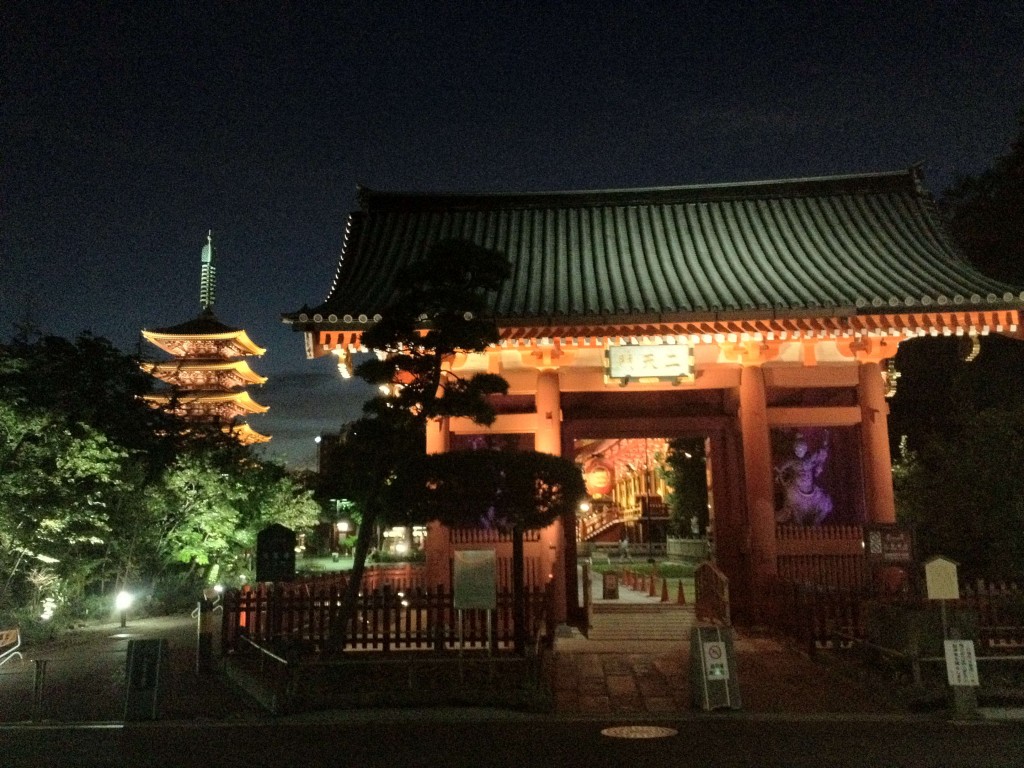
If you are exploring the traditional downtown area of Tokyo, Asakusa is a place not to be missed. Not only because it has Senso-ji Temple and Asakusa Shrine - one of the most visited religious symbols of Tokyo, but also because of many other attractions it has to offer. Here is the route, recommended for those who want to get the most from Asakusa area if time is limited:
To get to Asakusa, exit 1 of Asakusa station of Ginza line is the most convenient (you can also take Tobu Skytree line, Asakusa line or Tsukuba Express to get there). You will come out of the station just near Kaminarimon gate of Senso-ji shrine. Literally “kaminarimon” means “thunder gate” and you will see a lantern with two statues on the both sides. The statues represent the guardian gods of thunder (Raijin, west side) and of wind (Fujin, east side). These gates were first built in 941 and moved to their current location in 1635. They were burnt several times before final reconstruction of their present structur
Harajuku
-1024x768.jpg)
Harajuku (原宿) is an area between Shinjuku and Shibuya on the Yamanote Line. The area has two main shopping streets Takeshita-dori and Omotesando. The landmarks include: Yoyogi Park, Meiji Shrine and NHK headquarters. Even though Harajuku is remarkable as a shopping paradise for the most extreme and rebellious teenage culture , it also offers decent shopping for adults and presents great historic sights.
Access: The JR Yamanote Line stops at Harajuku station.
1. Takeshita Dori
Once you exit the station the colorful teen culture hits you. Takeshita street is the center of the vivid teenage culture and famous for its gathering of flamboyant, trendy and rebellious youth. This is the place where you can find stores selling Gothic Lolita, Hip-Hop, Visual Kei and Punk outfits. If you would like to see fashionable and trend-conscious teens at their most extreme you need to visit Takeshita-dori on Sundays when this extremely crowded street will present a pe
Tsukiji Fish Market

It is well known around the world that one of the main components of the traditional Japanese diet is fish; therefore it is no surprise that the biggest Fish Market in the world is located in Tokyo. The Tsukiji Fish Market originated during Edo period of Japan. Around the 16th Century, the first shogun, Tokugawa Ieyasu, invited fishermen from Tsukuda, Osaka to provide fish for the castle. The fishermen were given permission by the authorities to sell any unsold fish in one of the first wholesale markets of Japan, known as “uogashi”, located around the Nihonbashi bridge area. Later on around the year 1657, the Great Fire of Meireki forced the shogunate to fill the coastal area of Edo (old name of Tokyo), calling the reclaimed land as Tsuki-ji (築地). However, it wasn’t until 1923, after the Great Kanto Earthquake destroyed the old market, that it was relocated to Tsukiji. Since then, the Fish Market has been considered one of the most valued spots in the city, as it is one of the main pro
Akihabara

This area of Tokyo was originally known as being home to the Chinka-sha Shinto shrine in the late XIX century, that’s the reason why many of the residents also called it Akiba, as people at that time believed that the fire-controlling deity of the same name was enshrined there. However, it wasn’t until the 1950’s when Akihabara begun to be known as the “Electric Town,” due to the appearance of many shops that sold different electrical items to the students of the school that would later become the Tokyo Denki University. After this, with the boom of videogames and other technology, an abundance of electrical shops started to appear in Akihabara, and more recently, anime and manga shops have begun to fill the streets of the district.
As the number of anime fans, cosplay, manga, videogames, idols and other Japanese popular culture products increases in every corner of the globe, Akihabara has achieved worldwide fame for being known as the dream land for all the “Japan Fans.” If you ca
Ueno

For those, who wish to explore old downtown Tokyo, Ueno is the right place to start. Historically located in Shitamachi (downtown) Taito district. Ueno is easy to access and has a lot to offer a traveler interested in a traditional everyday Japanese life. If you travel by train, JR lines (Yamanote, Joban, Keihin-Tohoku, Takasaki, Tohoku/Utsunomiya lines) will take you to JR Ueno Station. Shinkansen (high-speed bullet train) also stops at Ueno station. Keisei Ueno station might be more convenient, if you come directly from Narita airport. If you prefer the metro, you need to get off at Ueno station using the Ginza or Hibiya lines.
Recommended sightseeing places
Almost all sightseeing spots in Ueno are located in or around Ueno park (Ueno Koen, Koen exit of JR Ueno station). Due to its beautiful nature and sheer size, this park is a place of gathering for Japanese of all ages throughout the seasons. Viewing sakura blossoms (hanami) is especially popular in early sp
Ghibli Museum

As the animation and art museum of Miyazaki Hayao’s Studio Ghibli, the Ghibli Museum is one of Japan’s most famous animation studios. World famous feature length films have been produced by the studio, such as, My Neighbor Totoro, Princess Monomoke, Spirited Away and Ponyo on the Cliff by the Sea. If you visit the Museum, you will have the chance to watch one of the unreleased short movies produced by this studio, which is a very worthwhile experience.
Website: http://www.ghibli-museum.jp/en/
Reservation required and you can get the ticket outside of Japan in advance of your visit: http://www.ghibli-museum.jp/en/ticket-information/
Price:
Over Age 19 ¥1,000
Age 13-18 ¥700
Age 7-12 ¥400
Age 4-6 ¥100
Opening hours: 10:00-18:00, closed every Tuesday besides July 23, Aug 13, Dec 24, 2013; Feb 11, 2014; also closed during Nov 5-15, Dec 27-Jan 2, 20
Shinjuku

As one of the 23 city wards of Tokyo, Shinjuku is one of those places you should never miss if you are coming to visit Tokyo. Although it includes West-Shinjuku, usually it refers to the area around Shinjuku Station. However, in order to not miss any fun places in Shinjuku-ku (Shinjuku Ward), I am going to introduce four representative districts of it, they are: spots around Shinjuku station, spots around Takadanobaba station, spots around Shinokubo station, and Kabuki-cho. Here we go!
1. Spots around Shinjuku Station
First and foremost, let’s have a look at the most central part of Shinjuku-ku: spots around Shinjuku Station. As a major railway station in Shinjuku and Shibuya wards in Tokyo, it is one of the busiest stations in Tokyo. With 5 lines stopping here and various exits, it is definitely necessary to do some research before your exploration. For your convenience, here I attached the URL of Tokyo Railway Map and Shinjuku Station’s Map in English, please m