
KANTO
Nagatoro
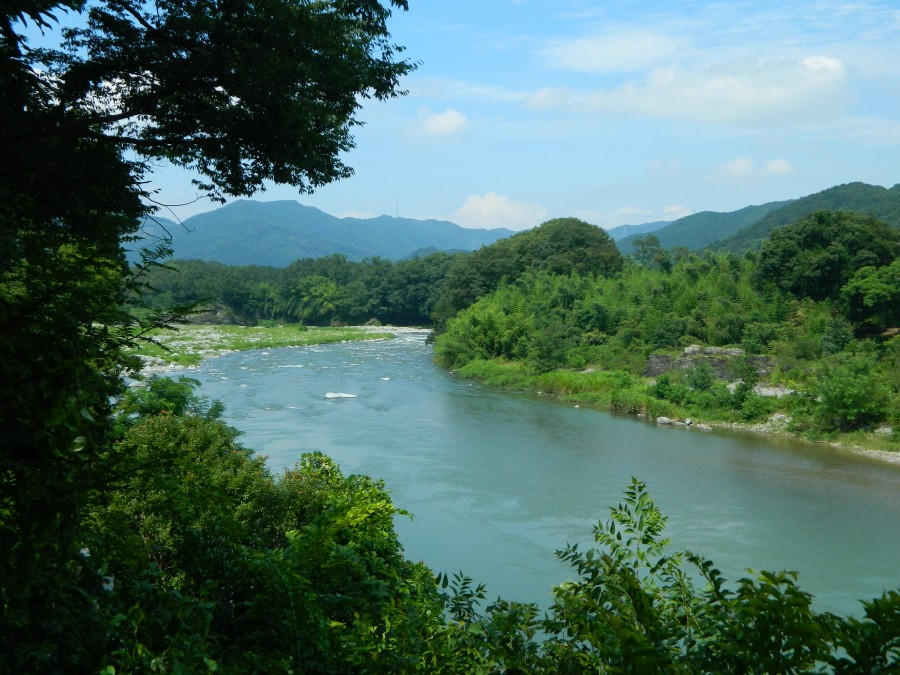
Located northwest of the Saitama Prefecture, is the small town of Nagatoro, which has been considered a prime destination for tourists visiting Japan, since the late 19th century. Its natural beauty is such, that the whole town has been designated as a natural park by the authorities of Chichibu. Nagatoro possess its own charm, worthy of a village that has been blessed with one of the most beautiful landscapes in Japan. The Arakawa River crosses through the middle of the town, creating many sightseeing spots where visitors can enjoy some of the most fascinating scenery. Even from the moment of exiting the train station, visitors can appreciate a natural monument: a 5 km rock bed along the riverbank, which is thought to have been there for thousands of years.
Nagatoro is a place that you can easily take a day trip to. It offers a peaceful space, far away from the noisy and crowded urban life of Tokyo, giving visitors the chance to be in touch with nature. The arc
Yokohama
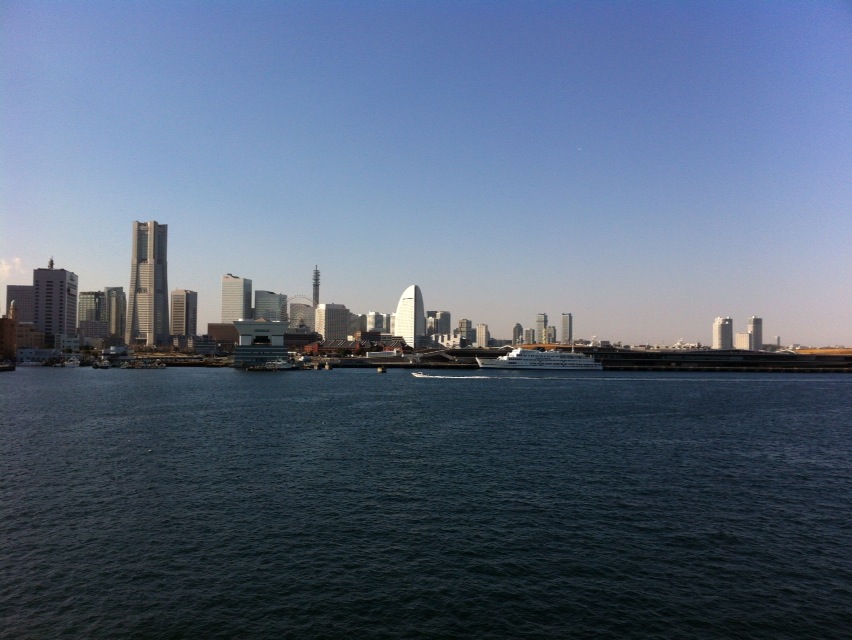
Yokohama is a port city, located in Tokyo Bay, south of Tokyo. It was one of the first ports, opened to foreigners and later it became a large commercial hub. Its population is the second largest in Japan after Tokyo. Yokohama is popular with its Chinatown, port area and variety of shopping areas attracting visitors.
From the Tokyo area, Yokohama can be accessed on JR and Minatomirai/Toyoko lines. If you are travelling from Tokyo, purchasing a one-day free ride ticket from Shibuya to Yokohama area (all the way to Motomachi-Chukagai station) would be cost-efficient (840 yen for adults). Another option is to purchase Yokohama-Minatomirai Pass (500 yen) - one-day Yokohama area only free-ride ticket.
For transportation, there are also alternative options, which can be found here: http://www.welcome.city.yokohama.jp/eng/travel/transportation/discount-tickets-passes.html.
There are tourist information centers in Yokohama station and Minatomirai station,
Kusatsu Onsen
On a busy weekday morning, I headed to the west exit of Shinjuku Station to meet friends from the Kimono circle. It was a muggy and cloudy day in the last week of the summer break. Despite the rain forecast over the next two days, we were going on a trip to a hot spring village in Gunma prefecture, Kusatsu Onsen.
The Spa-resort liner bus from Shinjuku took us to Japan Alps via the Kan-Etsu expressway. After a two hour drive on the highway, the bus switched to the local road in the mountainous area of West Gunma. We spent another two hours on the winding road before reaching our destination.
Kusatsu Onsen is said to be one of the three best hot springs in Japan. It is located in the Valley of Shirane Mountain, about 1,200 meters above sea level. Kusatsu hot spring resort was famous among the wounded samurai for its medicinal benefits since the Muromachi and Sengoku period. Important figures in Japanese History, such as Tokugawa Ieyasu and To
KAMAKURA
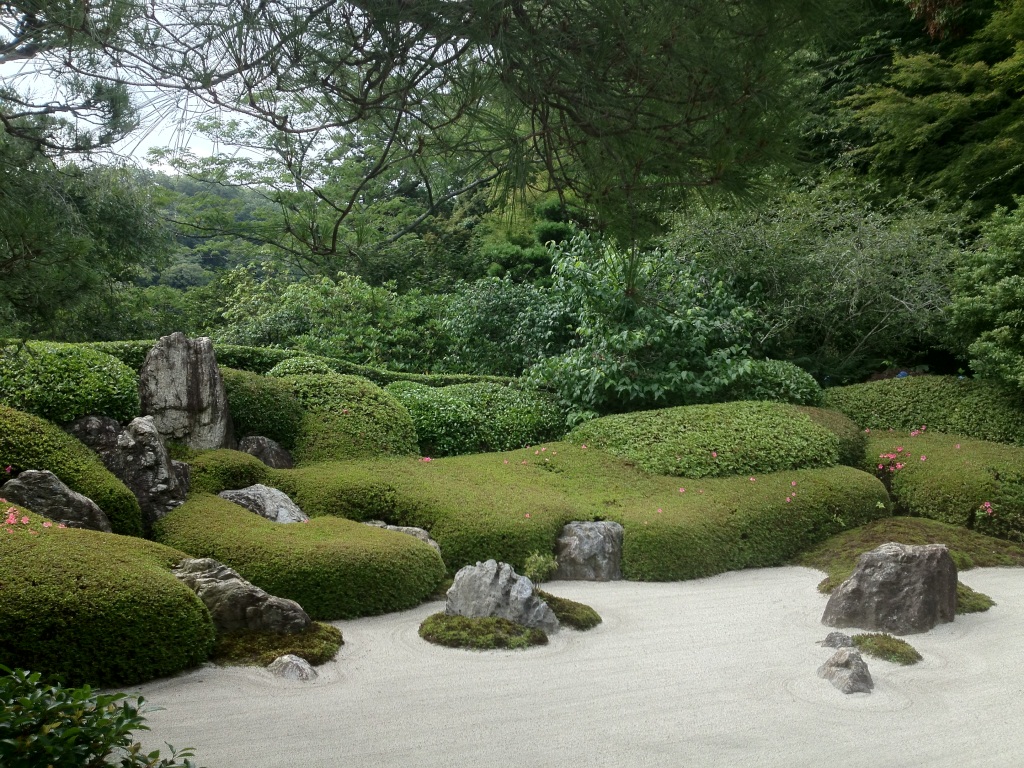
If you are somewhat familiar with Japanese history, the word “Kamakura” would remind you of the period in Japanese history between 12th and 14th century. During this period, Kamakura was the political center of Japan and where its feudal system was established. Kamakura today is one of the most popular sightseeing and weekend hot spots within a reasonable distance from Tokyo. A huge bronze statue of Buddha, a beautiful range of temples and a stunning seaside offers a great variety of options for tourism and leisure.
You can reach Kamakura either from Kamakura station or Kita-Kamakura station depending on where you would like to start your tour. Both stations are served by JR Yokosuka line and Shonan-Shinjuku line. Kamakura station, however, is bigger and Enoshima Electric Railway (Eno-den) can also be accessed from there. There is also an Information Center with English-speaking staff, located just near to the Kamakura station exit. At Kamakura station, you can also borrow a “Kikitabi
Doraemon Museum (Fujiko F Fujio Museum)

Fujiko Museum is built under Mrs. Fujiko’s wish to remember Mr. Fujiko and to return the favor to children all over the world. The museum has both indoor exhibitions and outdoor facilities from the popular animation Doraemon, and it also has a restaurant.
Website: http://fujiko-museum.com/english/welcome/
Reservation required: http://fujiko-museum.com/english/ticket/
Price: Adults and university students/middle school students/children at 4 years old or older/children at 3 years old or younger 1000/700/500/free
Entrance time: 10:00, 12:00, 14:00, 16:00
Opening hours: 10:00-18:00, closed on Tuesdays and from Dec 30 to Jan 3.
Location 2-chome 8-1 Nagao, Tama-ku, Kawasaki-city, Kanagawa Prefecture
Access: Ride a train to Noborito Sta. and ride a shuttle bus from the sta. to the museum.
